


Remote work did not become popular overnight. Several developments contributed to its growth, including reliable internet access, cloud-based applications, and changing employee expectations. Companies realized that productivity could often remain stable or even improve when employees were trusted to manage their own schedules and work environments.
The availability of project management platforms, instant messaging tools, video conferencing applications, and collaborative document systems removed many of the barriers that once required employees to remain physically present in an office. Teams became capable of planning projects, conducting meetings, reviewing documents, and monitoring performance from different locations.
Another factor that accelerated adoption was the growing awareness that productivity is not always tied to office attendance. Many organizations discovered that results, communication quality, and employee engagement were more useful indicators than physical presence. This encouraged businesses to focus more on outcomes and less on traditional office structures.
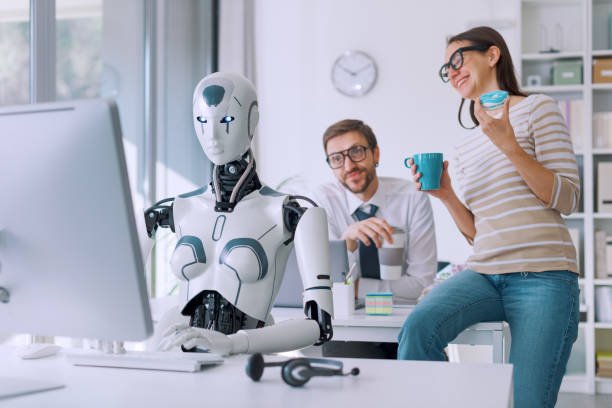
For employees, remote work introduced flexibility that had previously been difficult to achieve. Commuting time could be reduced or eliminated entirely, allowing people to spend more time with family, pursue education, exercise, or focus on personal development.
Financial benefits also became noticeable. Workers often reduced spending on transportation, meals, and office-related expenses. In some cases, employees gained access to opportunities from companies located in other regions or countries without relocating.
Remote work also allowed individuals to personalize their working environments. Some employees prefer quiet home offices, while others choose shared workspaces or flexible locations that support concentration and creativity. The ability to adapt work environments to personal preferences can improve comfort and satisfaction.
However, flexibility also introduced responsibility. Employees need strong time management, communication skills, and self-discipline to maintain productivity while avoiding burnout.
Financial benefits also became noticeable. Workers often reduced spending on transportation, meals, and office-related expenses. In some cases, employees gained access to opportunities from companies located in other regions or countries without relocating.
Remote work also allowed individuals to personalize their working environments. Some employees prefer quiet home offices, while others choose shared workspaces or flexible locations that support concentration and creativity. The ability to adapt work environments to personal preferences can improve comfort and satisfaction.
However, flexibility also introduced responsibility. Employees need strong time management, communication skills, and self-discipline to maintain productivity while avoiding burnout.

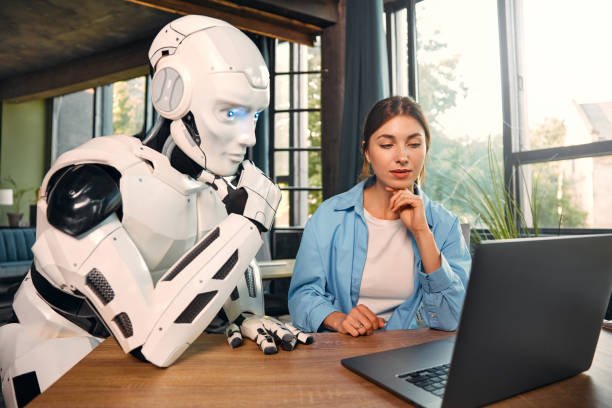
Organizations adopting remote work often experienced reduced operational costs. Expenses related to office space, utilities, and physical infrastructure could decrease significantly when fewer employees worked onsite.
Access to broader talent pools became another major advantage. Companies were no longer limited to hiring candidates from a single geographic area. Instead, they could recruit professionals with specialized skills from multiple locations.
At the same time, remote work introduced challenges. Maintaining company culture, encouraging collaboration, onboarding new employees, and ensuring consistent communication required deliberate planning and leadership.
Managers increasingly shifted toward outcome-based evaluation systems and invested in employee engagement initiatives to maintain connection among distributed teams.
Access to broader talent pools became another major advantage. Companies were no longer limited to hiring candidates from a single geographic area. Instead, they could recruit professionals with specialized skills from multiple locations.
At the same time, remote work introduced challenges. Maintaining company culture, encouraging collaboration, onboarding new employees, and ensuring consistent communication required deliberate planning and leadership.
Managers increasingly shifted toward outcome-based evaluation systems and invested in employee engagement initiatives to maintain connection among distributed teams.
Modern remote work depends heavily on digital tools and infrastructure. Cloud storage enables employees to access files securely from different devices. Communication platforms allow instant interaction while reducing delays in decision-making.
Automation tools assist with repetitive processes, while analytics dashboards help managers monitor project progress and identify potential bottlenecks. Cybersecurity practices have also become increasingly important as organizations protect distributed work environments from security risks.
Training employees on digital collaboration and security awareness has become an essential investment for businesses that want to operate effectively in remote environments.
Automation tools assist with repetitive processes, while analytics dashboards help managers monitor project progress and identify potential bottlenecks. Cybersecurity practices have also become increasingly important as organizations protect distributed work environments from security risks.
Training employees on digital collaboration and security awareness has become an essential investment for businesses that want to operate effectively in remote environments.
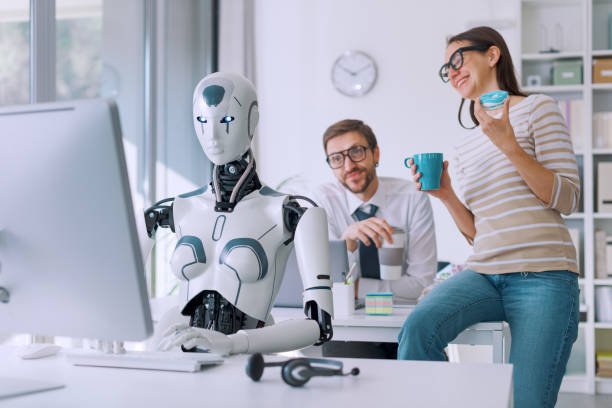

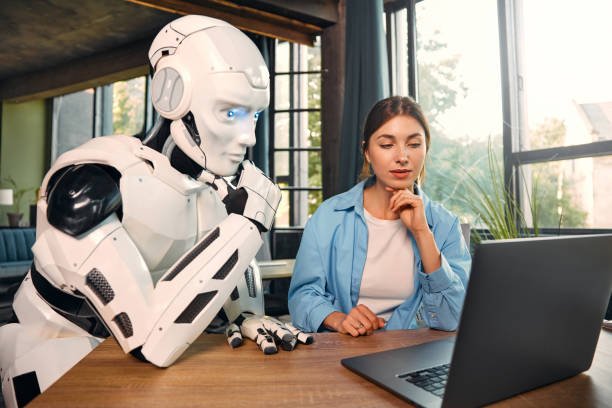
Rather than replacing offices completely, many experts expect hybrid work models to continue growing. Hybrid structures combine in-person collaboration with remote flexibility, allowing employees and employers to benefit from both approaches.
Future workplaces may focus more on collaboration spaces, project-based gatherings, and digital-first workflows rather than permanent desk assignments. Career development may also become more skills-based as organizations recruit globally.
As technology continues advancing, the concept of work will likely become increasingly flexible, connected, and centered around measurable outcomes rather than physical location.
Future workplaces may focus more on collaboration spaces, project-based gatherings, and digital-first workflows rather than permanent desk assignments. Career development may also become more skills-based as organizations recruit globally.
As technology continues advancing, the concept of work will likely become increasingly flexible, connected, and centered around measurable outcomes rather than physical location.